Attic Insulation & Cleaning
Improve comfort, energy efficiency, indoor air quality, and overall home health with inspection-led attic cleaning and insulation services.
A Cleaner, More Efficient Attic Without Guesswork
Poor or damaged attic insulation can contribute to high energy bills, temperature changes, moisture concerns, allergens, odors, and pest entry.
We begin with an inspection, explain accessible conditions, and provide a clear scope for cleaning, removal, insulation, air sealing, ventilation, sanitation, or exclusion work.
Attic Work Planned Around Existing Conditions
Attics vary in access, insulation type, ventilation, moisture exposure, contamination, and visible pest activity. Those details determine the safest and most practical sequence of work.
Installing new insulation over damaged or contaminated material can leave the underlying concern unresolved. We identify preparation needs before recommending installation.
Ready to improve your attic?
Start with an inspection and a clear project scope.
Clean, Remove, Seal, or Insulate? We'll Help You Decide.
Every attic does not need the same work. Some spaces need targeted cleanup, while others require contaminated insulation removal, sanitation, exclusion, air sealing, ventilation improvements, or new insulation.
We explain what we find and organize recommendations in a sensible order.
Our job is to give you the information. The decision stays yours.
Signs Your Attic May Need Attention
A single symptom does not always identify the cause. An inspection helps connect visible attic conditions with the right next step.
Ready to improve your attic?
Start with an inspection and a clear project scope.
Cleaning, Insulation, and Protection in One Clear Scope
We coordinate related attic needs so preparation, cleanup, insulation, and prevention recommendations support one another.
Attic Inspection
We assess accessible insulation, moisture, ventilation, odor, and pest-related conditions before recommending work.
Cleaning & Removal
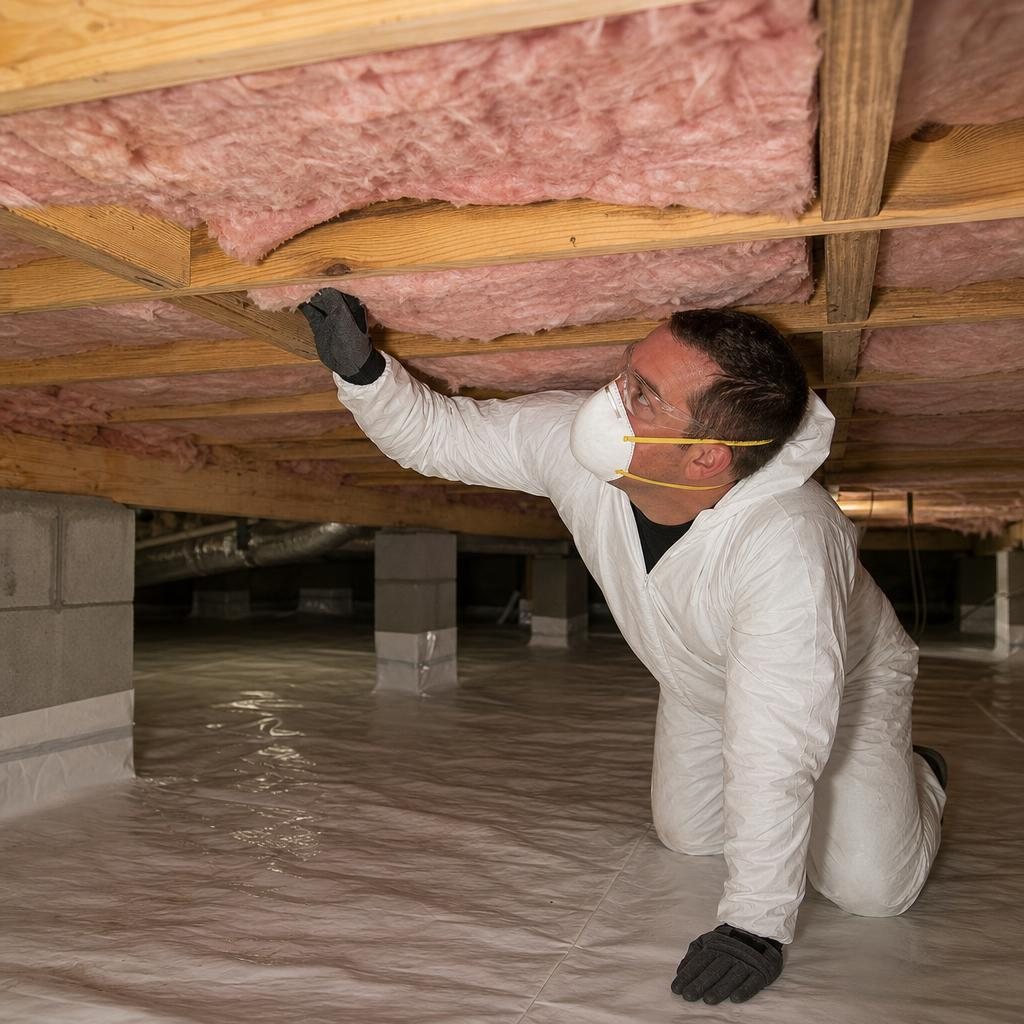
Approved debris, rodent waste, and damaged or contaminated fiberglass or cellulose insulation are removed as scoped.
Insulation & Air Sealing
We explain blown-in or batt insulation and air-sealing options based on the inspected attic.
Protection & Sanitation
The scope may include sanitation, odor treatment, rodent exclusion, entry-point sealing, and moisture-related recommendations.
What Happens During an Attic Project?
The work follows an organized sequence based on inspection findings and the approved scope.
Inspect the Attic
We review accessible insulation, ventilation, moisture indicators, odor, and pest evidence.
Document Conditions
Findings are explained so you understand what needs attention and why.
Remove Affected Material
Approved debris and damaged or contaminated insulation are removed from the work area.
Clean and Prepare
The exposed area is cleaned and prepared for the selected sanitation, sealing, or insulation work.
Install and Protect
Approved insulation, air sealing, ventilation, or exclusion work is completed.
Complete a Quality Check
We review the completed scope and discuss practical next steps for the attic.
Ready to improve your attic?
Start with an inspection and a clear project scope.
Why Proper Attic Preparation Matters
Insulation performs best when the attic surface, airflow, moisture concerns, and pest-related damage have been evaluated first. Preparation helps prevent new material from covering unresolved conditions.
Comfort and Efficiency Start at the Top.
A properly prepared and insulated attic can support more consistent indoor temperatures and better energy performance, depending on the home and existing conditions.
Explore project planning →Why Homeowners Choose TCC Insulation
Attic work should be clear. You should understand the findings, your options, and the approved work being completed in your home.
FAQs
Based in Kent, Serving Washington
Choose a listed city or submit your property ZIP code so current service availability can be confirmed.
Ready to Improve Your Attic?
Request a free inspection for attic cleaning, insulation, air sealing, ventilation, sanitation, or rodent-related concerns.


