Close Entry Points and Clean Up Crawl Space Damage
TCC Insulation is based in Kent and serves homeowners throughout Washington with careful inspection, clear findings, and practical crawl-space recommendations matched to the condition of the home.
Crawl Space Rodent Exclusion and Cleanup
TCC Insulation is based in Kent and serves homeowners throughout Washington. We inspect accessible crawl-space entry points and damage, then explain exclusion, sealing, and cleanup options within scope.
Rodent activity can affect insulation, vapor barriers, ductwork, and crawl-space cleanliness. Inspection helps identify visible evidence and accessible openings.
Find and Address Accessible Entry Points
We do not imply trapping, poison use, wildlife relocation, or regulated pest-control work. Our focus is exclusion, sealing, affected-material evaluation, and prevention recommendations within scope.
Visible evidence or a recurring odor can be a reason to inspect the crawl space. We explain the conditions we observe and the practical options.
Approved work may include sealing accessible entry points, removing affected material when included, and evaluating insulation or barriers.
Ready to address your crawl space?
Project scope is based on inspection findings.Request an inspection →
When to Request a Rodent Exclusion Inspection
We inspect, document findings, explain the scope, complete approved exclusion or cleanup work, and review the results with you.
Careful work matters around crawl-space access points and materials. We communicate clearly and respect the property throughout the project.
Our job is to give you the information. The decision stays yours.
Signs of Crawl-Space Rodent Activity
Prevention recommendations may include monitoring vulnerable openings and addressing conditions identified during the inspection.
Seeing these signs? Request a crawl-space inspection.
(206) 900-6545Rodent Exclusion Considerations
Homeowners choose us for clear findings, practical scopes, and crawl-space work matched to the actual condition of the home.
Access-Point Review
We inspect accessible vents, utility penetrations, access areas, and visible gaps that may allow rodent entry.
Material Condition
Damaged insulation, vapor barriers, and accessible ductwork can help show where activity has affected the crawl space.
Exclusion Scope
We explain which accessible openings may be sealed as part of the approved exclusion scope.
Prevention Planning
A clear review of vulnerable areas helps homeowners understand practical prevention recommendations.
Our Crawl-Space Rodent Exclusion Process
Homeowners choose us for clear findings, practical scopes, and crawl-space work matched to the actual condition of the home.
Inspect Access Points
We review accessible crawl-space openings, vents, penetrations, and signs of rodent activity.
Document Findings
We explain visible entry points, affected materials, and the conditions observed.
Recommend a Scope
You receive practical exclusion, cleanup, insulation, or barrier recommendations matched to the property.
Approve the Work
We provide a clear scope for accessible sealing and any included material removal.
Complete Exclusion Work
Our team completes approved sealing and cleanup work carefully in the crawl space.
Review Prevention Steps
We review the completed work and discuss areas to monitor over time.
You should leave with clear findings and practical prevention recommendations.
Ready to address your crawl space?
Project scope is based on inspection findings.Request an inspection →
Careful Sealing and Material Evaluation
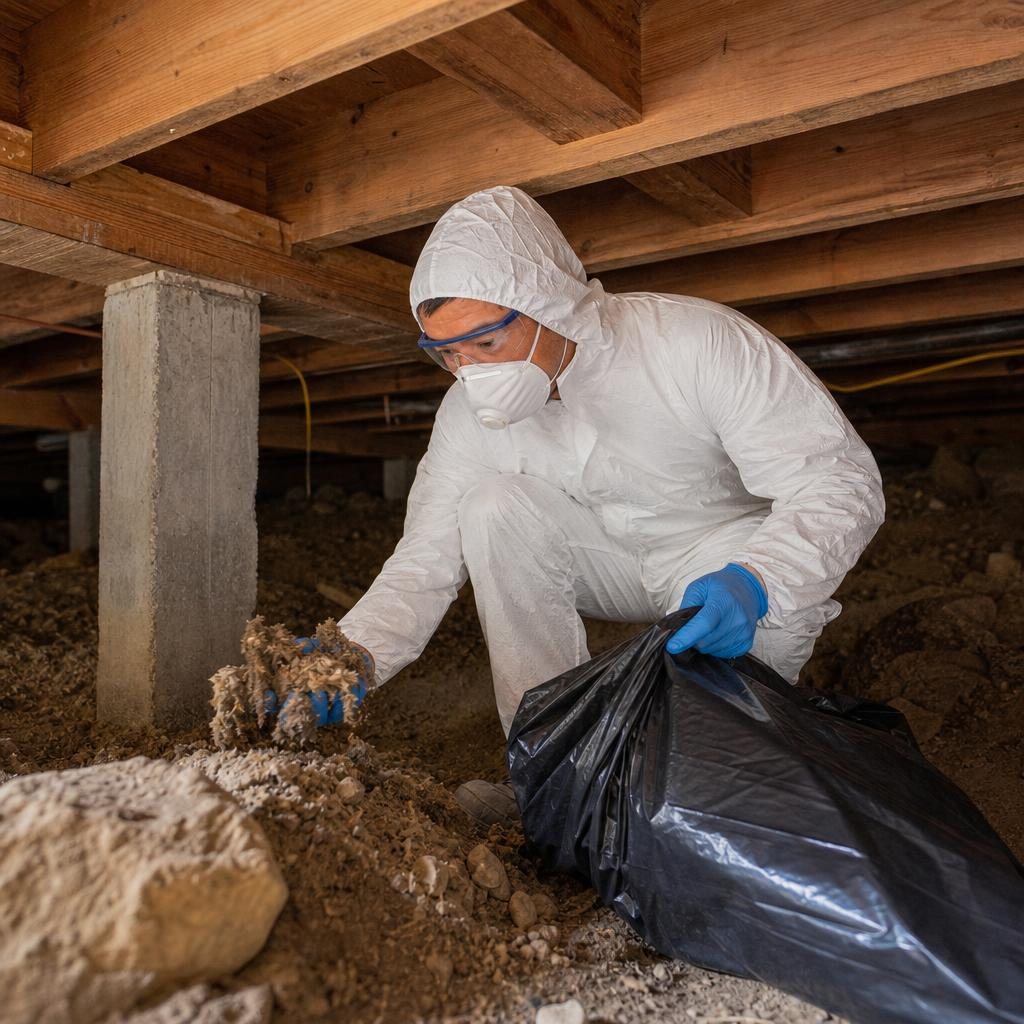
We identify accessible entry points and explain the approved sealing and cleanup scope before work begins.
Careful work around crawl-space access and affected materials helps keep the project focused and understandable.
Prevention Recommendations for Your Home
Prevention recommendations address accessible openings and visible conditions that may contribute to future entry.
Related cleaning, insulation, vapor-barrier, or duct concerns can be discussed when they are observed.
Ready to discuss the findings? Request an inspection →
Why Homeowners Choose TCC Insulation
Crawl-space rodent exclusion should be straightforward. You should be able to request an inspection, get a clear explanation, understand your options, and feel confident about the work being done in your home.
FAQs
Based in Kent, Serving Washington
Choose a listed city or submit your property ZIP code so current service availability can be confirmed.
Lifetime Protection Available
Lifetime Crawl Space Protection
After qualifying crawl-space work is completed, protective traps are installed and maintained through an ongoing monthly service program. As long as the required maintenance program remains active and applicable warranty terms are followed, qualifying work remains protected under the lifetime warranty.
Lifetime warranty subject to qualifying services, an active maintenance program, and applicable warranty terms.
Ask About Our Lifetime WarrantyProtect Your Crawl Space From Rodent Entry
We inspect accessible entry points, explain exclusion and cleanup options within scope, and provide practical prevention recommendations for your crawl space.


